Table of Contents (click to expand)
UK retailer Roman Originals confirmed that the real color of its ‘Lace Bodycon Dress’ was blue and black. So although the dress itself is blue and black, your brain’s unconscious assumptions about the lighting in the photo can make you see it as white and gold.
Do you ever wonder if your perception of colors is the same as others? It turns out that people can see colors very differently. #TheDress — the viral 2015 photo that came to be known as “the dress that broke the internet” — is the most famous example.
On February 26, 2015, Scottish singer Caitlin McNeill posted a washed-out snapshot of a striped dress to Tumblr, asking her followers what color it was. Within days the picture of the striped dress had generated more than 10 million tweets, and people simply could not agree. Some said it was blue and black, others saw it as gold and white, and a few even saw it as brown and blue.
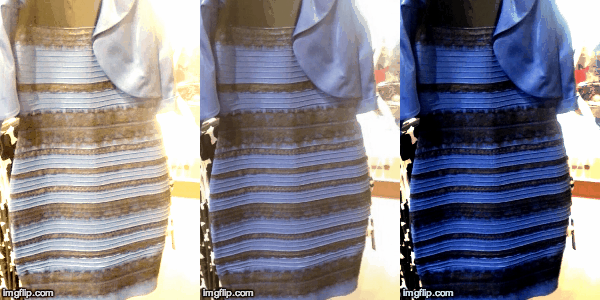
The debate was so intense that people even thought they were colorblind. In the end, the dress was really blue and black.
Vision science can help us understand why people see colors differently.
Recommended Video for you:
Our Brain On ‘The Dress’
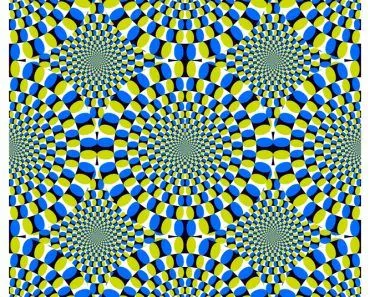
Researchers and scientists who study the visual system were equally puzzled by this rare color illusion. There have been extensive studies of ambiguous figure illusions (e.g., face/vase, duck/rabbit) that have helped scientists reveal mechanisms and principles of human visual perception, but this color phenomenon is slightly more unique.
The dress illusion presented a rare opportunity, as the illusion was related to color. Color is the wavelength or frequency at which light is reflected off a surface. However, the dress surely reflected the same amount of light for everyone, so it was clear that the difference arose later, once an individual’s brain began processing the wavelengths.
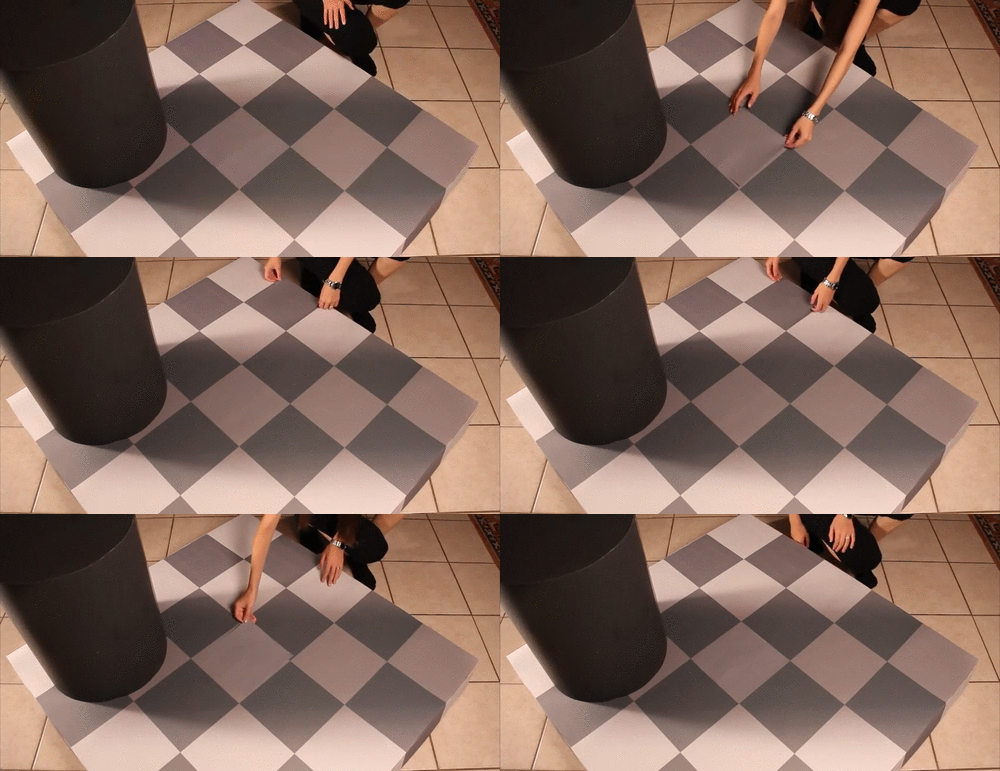
A 2017 study by neuroscientist Pascal Wallisch, published in the Journal of Vision and based on responses from more than 13,000 people, offered the most widely accepted explanation. Wallisch argued that the brain unconsciously “discounts” the assumed light source in the photo. People whose lifetimes have been dominated by daylight — typically morning people, or “larks” — tend to assume the dress is lit by short-wavelength blue skylight; their brains subtract that blue, leaving white and gold. Night owls, who spend more time under long-wavelength artificial or incandescent light, tend to subtract yellow instead and see the dress as it really is: blue and black.
A neuroimaging study by Schlaffke and colleagues, published in Cortex in 2015, identified differences in brain activity between people who saw the dress as gold-white versus blue-black. Greater activity was noted over the frontal and parietal regions only in those who judged it as gold-white — areas associated with selective attention and higher-order visual decision-making.
This additional activation is possibly indicative of the extra effort that white-gold perceivers make to factor in daylight, which leads them to come to the wrong conclusions about color.
Are Blue/Black And White/Gold Brains Different?
No! Thus far, research suggests that the difference arises because you use your brain differently. The Dress illusion reminds us of the fallacies inherent in our visual sense and the existence of individual differences in our abilities of perception. So, although the dress is blue and black, your unconscious overthinking makes you see it as white and gold.
Even a decade later, #TheDress remains the textbook example of how individual differences in vision can split the world in two. Similar illusions — the pink-and-white vs. grey-and-teal Vans sneaker (2017) and the auditory “Yanny vs. Laurel” clip (2018) — have since shown that the underlying mechanism is general: when a stimulus is genuinely ambiguous, your brain fills in the gaps using lifelong assumptions you never knew you had.
The next time you want to insist that you’re right and win a fight over the shade of color on a wall, dress, or car…check whether or not you’re analyzing things properly before you waste your time on an endless argument!
Last Updated By: Ashish Tiwari
References (click to expand)
- The dress.
- The Science of Why No One Agrees on the Color ....
- Blue and black or white and gold, how the dress colour you ....
- Wallisch, P. (2017). Illumination assumptions account for individual differences in the perceptual interpretation of ‘The dress’. Journal of Vision.
- Schlaffke et al. (2015). The brain's dress code: How The Dress allows to decode the neuronal pathway of an optical illusion. Cortex.