Table of Contents (click to expand)
The depletion of atmosphere would not only be fatal to humans but also to most of the plants and animals out on the planet. Even flying creatures wouldn’t be immune to hazards arising from atmosphere-less planet.
Talking about the atmosphere and how reckless human activities are messing with it is a common topic on the Internet. These sorts of stories can end up in front of you through various social media channels, peer discussions, or television. They can pop up practically anywhere, which is actually a good thing.
However, this post is not about saving the atmosphere, but rather imagining life without it! What if the atmosphere on the Earth suddenly disappears? What if some gigantic space hand peels the protective layer off of our planet?
Recommended Video for you:
What Is Our Atmosphere Made Of?
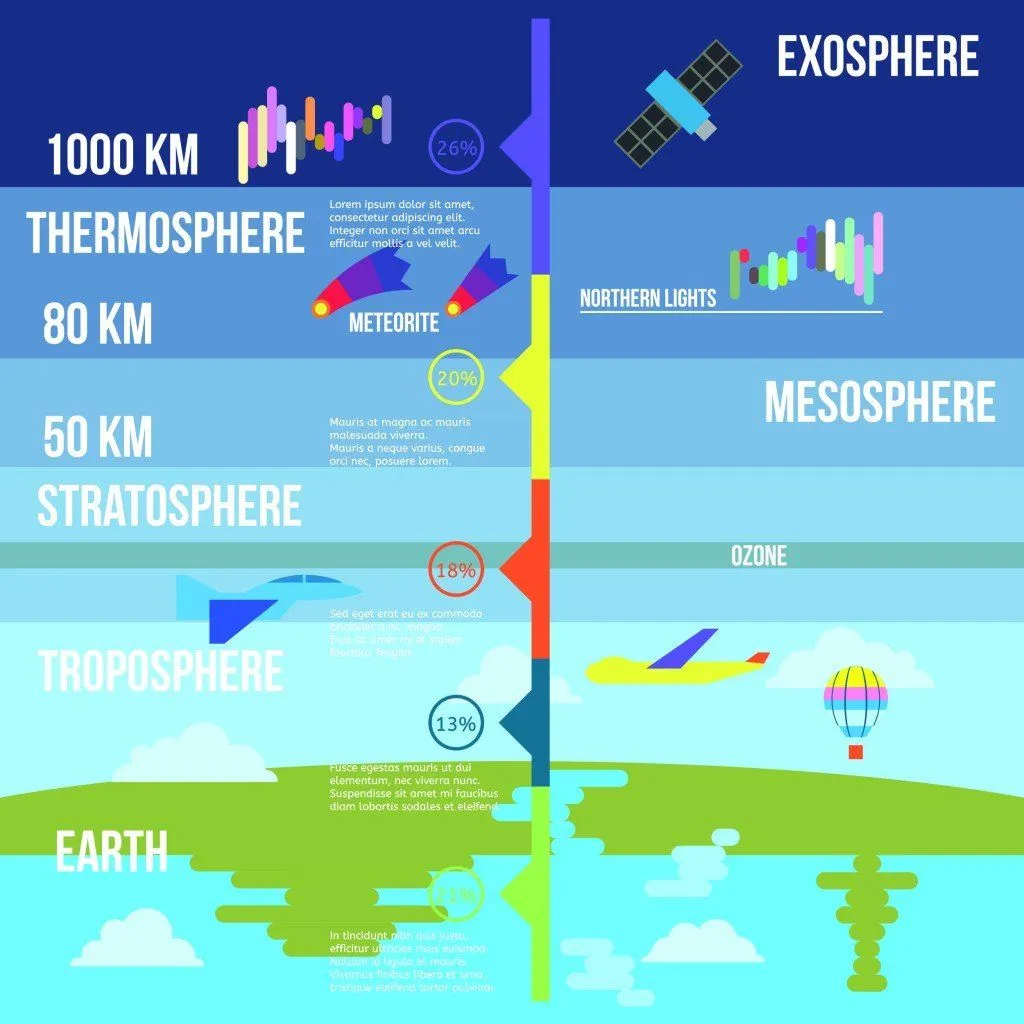
The atmosphere, as we know it, is a protective layer of gases that envelop the Earth. It consists of a number of gases, including nitrogen (78.08%), oxygen (20.95%), argon (0.93%) and roughly 0.04% carbon dioxide, along with traces of hydrogen, helium, and other noble gases. The atmosphere is held in place above the planet (as is true of any other celestial body with an atmosphere) due to its gravitational force, which keeps it adhered.
Importance Of The Atmosphere
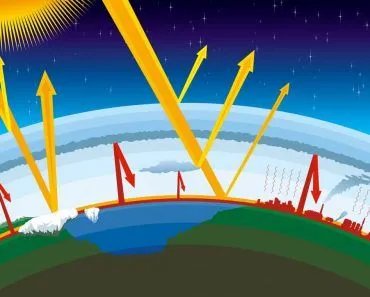
The benefits of having an atmosphere are too extensive to list. The fact that most of life as we know it depends on it says plenty about the atmosphere’s importance to the planet. In addition to being an abundant source of oxygen, i.e., the lifeline of most life forms on Earth, the atmosphere also acts as an insulating layer that protects us from harmful solar and other cosmic radiations.
What If The Atmosphere Disappears?
Since so many aspects of the planet are linked to the atmosphere, let’s start with the one that is the most relevant to our selfish selves.
No Humans (And Perhaps No Life)
This major issue shouldn’t come as a surprise, since humans absolutely and entirely depend on the oxygen present in the atmosphere. There would be no chance of our survival if it ceased to exist. Wonder why? Well, inhaling depends on a pressure difference: when our diaphragm contracts, the volume of the chest cavity expands, dropping the pressure inside the lungs below atmospheric pressure so that outside air rushes in. Without an atmosphere there is no outside pressure to push air into the lungs, so a person cannot meaningfully breathe in a vacuum even with a normal respirator. Worse, the body itself would suffer rapid decompression — within roughly 15 seconds the brain would lose consciousness as oxygen-starved blood circulated, and survival without a pressurized spacesuit would be measured in seconds, not minutes. Only those few lucky souls already sealed inside a pressurized spacesuit with an oxygen supply would buy any time.
The depletion of Earth’s atmosphere would not only be fatal to humans, but also deadly for most of the plants and animals out on the planet. Remember, almost all living organisms need oxygen to survive—from the tiniest ants to the biggest blue whales.
Flying creatures also wouldn’t be immune to hazards arising from an atmosphere-less planet. Aircraft and airborne species alike would come crashing down to the Earth’s surface. A bird’s wing is shaped like an airfoil, and lift is generated when air flowing faster over the curved upper surface creates a region of lower pressure than the air below — a pressure difference that holds the animal aloft. With no air to flow over those wings, there is nothing to push against and nothing to generate lift. Therefore, no atmosphere means that no creature (and no plane) can fly.
As for marine life, they just might be able to defer their death a bit longer. Marine creatures rely on dissolved oxygen, which wouldn’t immediately vanish if the atmosphere disappeared suddenly. However, as the creatures continued to use up that dissolved oxygen — and as the oceans themselves began to boil away in the vacuum — a point would quickly be reached at which no more dissolved oxygen was available to support marine life.
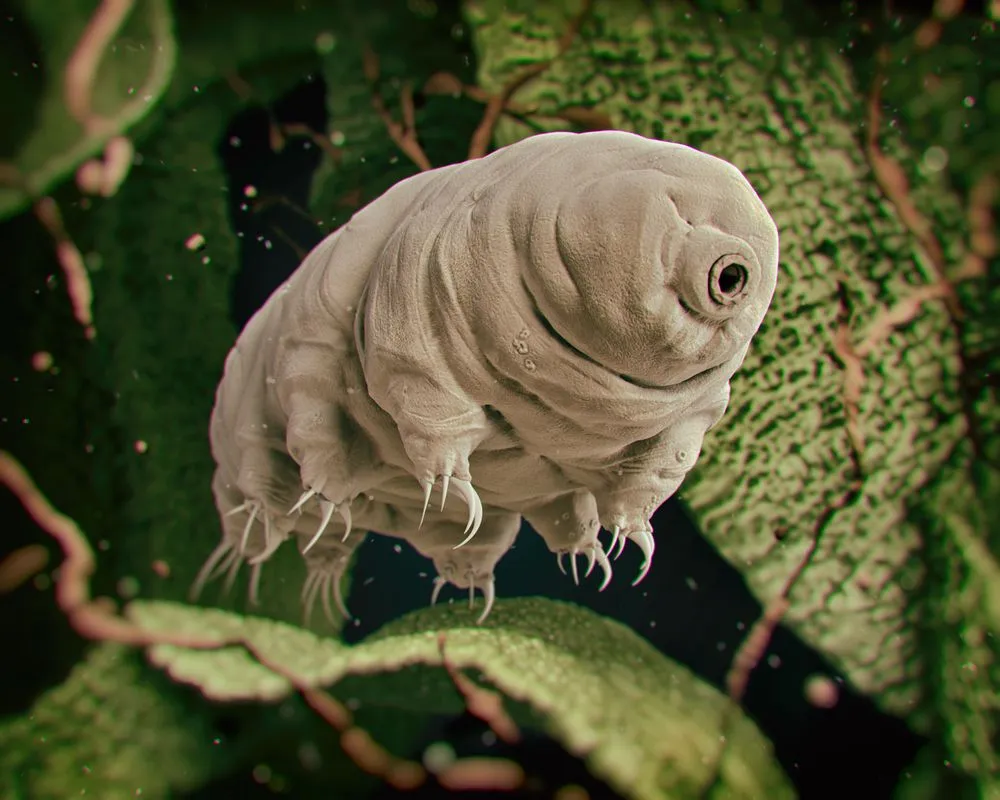
Perhaps there might be a few survivors who could beat all the odds. Microscopic organisms like chemosynthetic bacteria and tardigrades might just survive, given their relatively low dependence on oxygen for survival. In the 2007 TARDIS experiment aboard ESA’s Foton-M3 mission, dehydrated tardigrades were exposed directly to the vacuum of low Earth orbit for ten days and most species survived; a smaller fraction even endured combined vacuum and solar UV radiation, making the tardigrade the first known animal to survive open space. However, aside from these teeny-weeny extremophiles, the survival of almost every other organism would be impossible.
No Oceans
Another important element for the existence of life after oxygen is water, which would also come under threat of disappearing if the atmosphere vanished overnight.
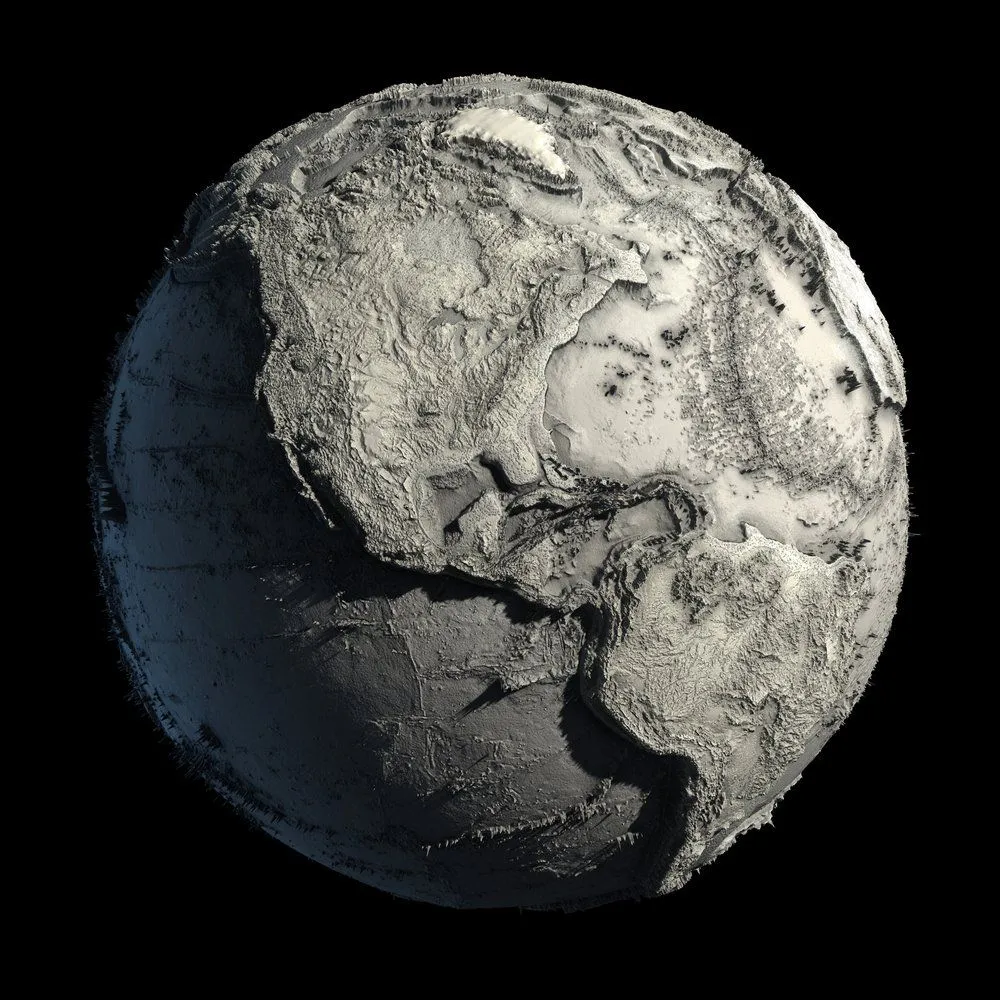
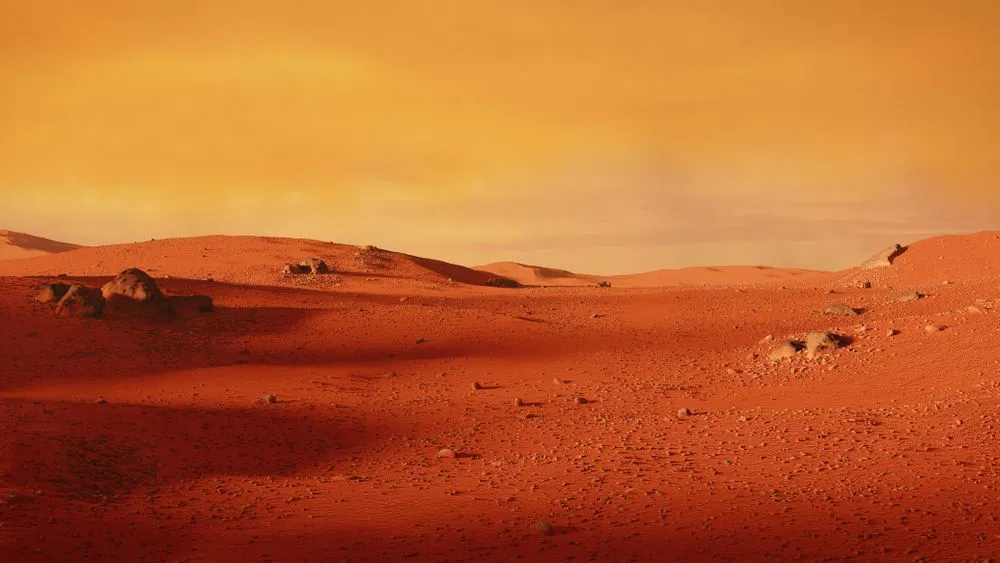
It’s our atmosphere that blocks tons of harmful rays from the Sun and shields life on our planet from the repercussions of solar and cosmic radiation. However, if the atmosphere disappeared, there would be no atmospheric pressure, which would mean that the boiling point of water would drop dramatically — in a near-vacuum, liquid water boils at room temperature and even bodily fluids start to vaporize. The water in our oceans, lakes and rivers would begin to boil and escape into space as vapor. Our neighbor, Mars, is thought to have once had a thicker atmosphere and abundant liquid water on its surface. NASA’s MAVEN mission has shown that solar wind stripped away the bulk of that atmosphere from roughly 4.2 to 3.7 billion years ago — about 65% of its argon has been lost to space — leaving the cold, barren red desert we see today.
No Clouds, No Rain
The picturesque cloud cover that moves across our sky would also vanish as the atmosphere departed. The beautiful ‘blue’ sky that you see during the day wouldn’t be blue anymore either — it would turn pitch black, even at noon, just as it does in photographs taken from the Moon. The sky appears blue because shorter (blue) wavelengths of sunlight are scattered far more strongly than other colors by the molecules of nitrogen and oxygen in the atmosphere — a process known as Rayleigh scattering. Strip the air away and there is nothing left to scatter that light, so the Sun would appear as a blinding disc against an inky sky studded with stars even during the day. No clouds also means no rain. You would certainly miss getting nostalgic upon smelling petrichor or just the simple pleasure of dancing in the rain!
No Sound
Clearly, many whirring mishaps would happen, such as the crashing of aircraft and birds, the boiling of water and the painful dying of plants and animals in the aftermath of the atmosphere’s disappearance. However, all these grotesque events would happen without any noise! Why, you ask? Well, sound needs a medium to travel in, and it cannot travel in a vacuum. So, there would be no sound whatsoever of any activity occurring on the planet. If we managed to somehow survive within a spacesuit, we might be able to feel the vibrations, but the sound would be a jettisoned entity.
Wild Temperature Fluctuations
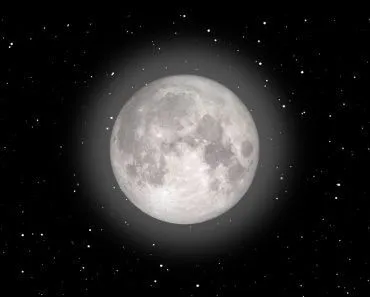
Another ramification of a waning atmosphere would be wild temperature fluctuations. Take the case of our own Moon, which has effectively no atmosphere. According to NASA, surface temperatures near its equator can spike to roughly 250°F (121°C) in direct sunlight and plunge to about -208°F (-133°C) at night, while permanently shadowed craters near the poles are among the coldest places in the solar system at around -410°F (-246°C). An atmosphere-less Earth would suffer a similarly drastic day-night swing of hundreds of degrees, since there would be no air to trap the Sun’s heat or smooth out the difference between sunlit and shadowed sides. Climate models suggest the planet’s globally averaged temperature would crash from today’s ~15°C (59°F) to about -18°C (0°F) — roughly the value Earth would have without the greenhouse effect.
Asteroid Hammering
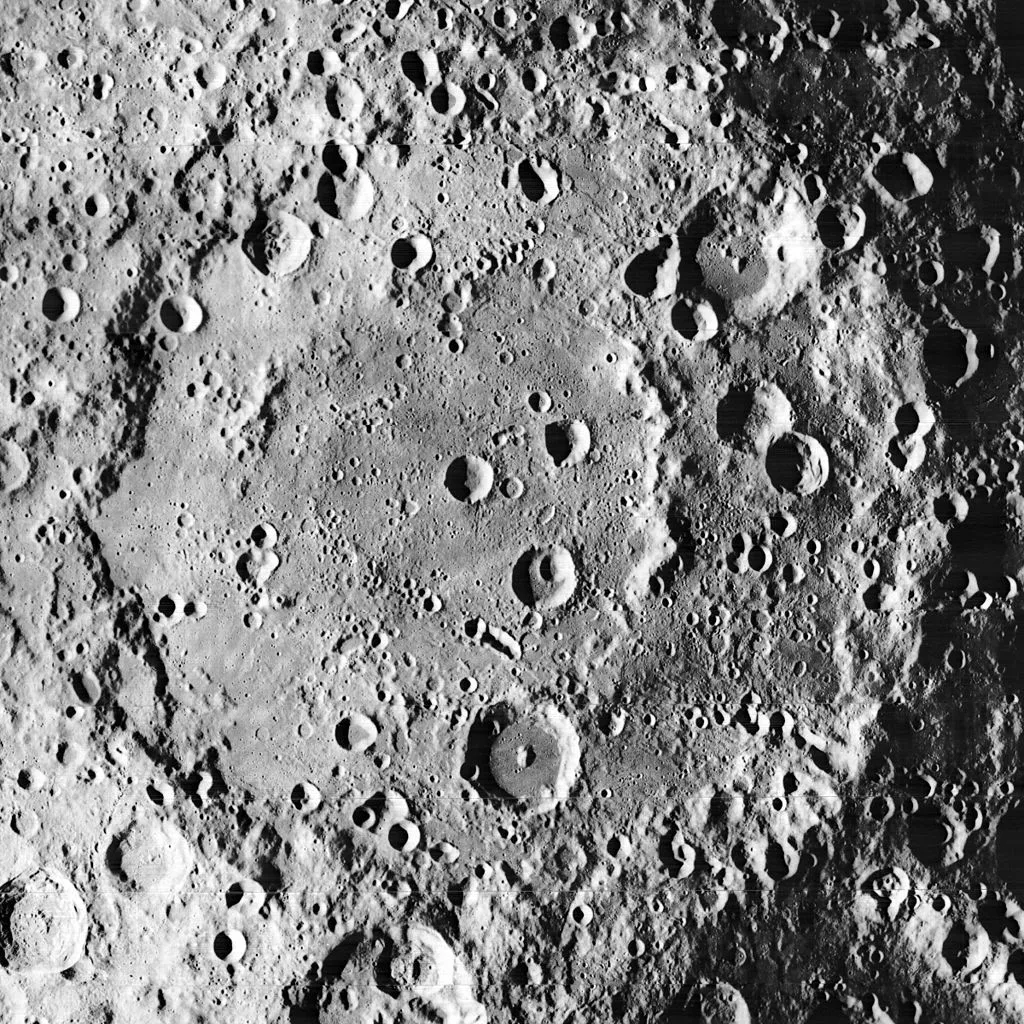
Throughout its 4.5-billion-year history, Earth has sustained countless asteroid impacts, and the huge number of near-Earth objects mapped by NASA’s Center for Near Earth Object Studies still pose a significant risk to the planet. Many tons of small space rocks hurtle towards Earth every single day, but thanks to our guardian atmosphere, the vast majority of them burn up as harmless meteors before reaching the ground. In the absence of any atmosphere, however, all those fast-flying rocks would slam unimpeded into the surface — turning the planet, over time, into a heavily cratered world resembling the Moon or Mercury.
All in all, Earth is incredibly dependent on its atmosphere, so it is in our own and nearly every other life forms’ (except microorganisms reliant on anaerobic respiration) best interests to keep the atmosphere healthy, and more importantly, attached to our planet!